


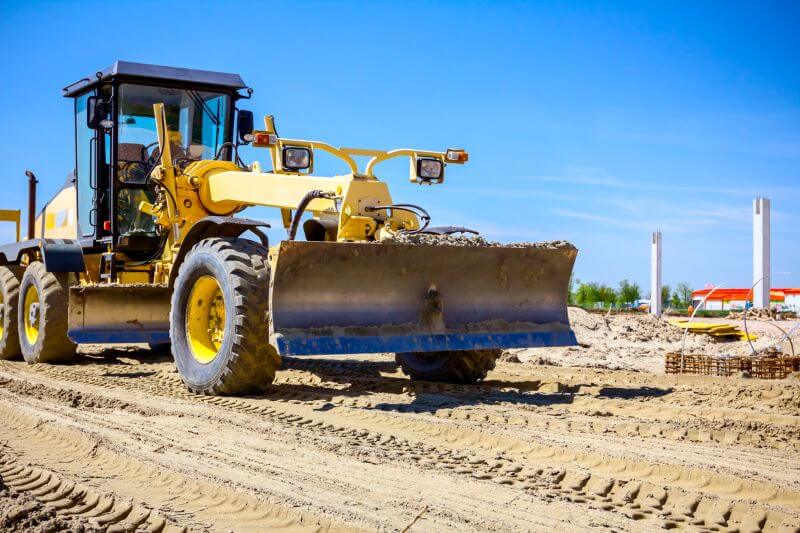
Motor graders are crucial tools for road building, land leveling, and site preparation, but they also need a large investment from contractors. Even in the used market, motor graders can cost between $70,000 and $250,000, depending on brand, age, and running hours.
Because of the high price, many customers have the same question: should they finance the purchase, lease the equipment, or pay cash? Each choice has different implications for cash flow, ownership, and long-term costs. This tutorial analyzes these three ways so that contractors can select the funding arrangement that best suits their business needs.
What Are the Main Ways to Finance a Used Motor Grader?
There are three main ways to purchase used motor graders. Each strategy is suitable for a variety of financial situations and business objectives.
Equipment Loan
An equipment loan enables a buyer to obtain funds from a bank or equipment finance firm. The contractor makes fixed monthly payments over a defined time frame, often three to seven years. Once the loan is paid off, the company owns the grader fully, and the machine is generally used as security.
Equipment Lease
Leasing operates similarly to a long-term renting deal. Monthly payments are typically lower than loan installments, and many leases provide the option to buy the machine at the conclusion of the term. However, leases may impose restrictions on operating hours or maintenance requirements.
Paying Cash
A cash purchase requires the buyer to pay the full sum up advance. There are no monthly payments, interest fees, or lender obligations. The equipment is immediately considered a business asset.
Equipment Loan for a Used Grader Pros and Cons
Advantages of Financing with a Loan
- Builds equity in the equipment
- Ownership once the loan is repaid
- Interest and depreciation may qualify for tax deductions
- Flexible repayment terms, typically 3–7 years
- Possibility to resell or trade the grader later
For example, a contractor purchasing used motor graders for $120,000 with a five-year loan may spread the cost into manageable monthly payments while still gaining ownership value.
Drawbacks of Equipment Loans
- Down payment usually required, often 10–20%
- Interest raises the total purchase cost
- Monthly payments affect cash flow
- Maintenance and depreciation remain the buyer’s responsibility
Leasing a Used Motor Grader Pros and Cons
Benefits of Leasing
Leasing appeals to companies that want equipment without committing large capital. Advantages include:
- Lower upfront cost
- Lower monthly payments than most loans
- Easier approval requirements
- Ability to upgrade equipment at lease end
- Preservation of working capital for projects
Downsides of Leasing
However, leasing is not always cheaper in the long run:
- No ownership unless you buy the equipment later
- Usage limits or condition clauses may apply
- Long-term cost can exceed loan financing
- Early termination penalties may apply
For businesses handling temporary contracts, leasing used motor graders may still make financial sense.
Paying Cash for a Used Grader: Pros and Cons
Advantages of Paying Cash
Buying equipment outright eliminates financing complexity.
- No interest or loan fees
- Immediate ownership
- Strong negotiating position with sellers
- No monthly payments or credit checks
Potential Drawbacks
Despite the benefits, paying cash has trade-offs.
- Large upfront capital requirement
- Reduced liquidity for other investments
- Less flexibility for expanding fleets
- Risk if equipment utilization drops
Many contractors prefer financing because it keeps working capital available for operations.
Loan vs Lease vs Cash: Quick Comparison
| Factor | Loan | Lease | Cash |
| Ownership | Yes after term | Usually no | Immediate |
| Upfront cost | Medium | Low | High |
| Monthly payments | Yes | Yes | No |
| Long-term cost | Medium | Often highest | Lowest |
| Cash flow impact | Moderate | Low | High |
How to Decide Which Financing Option Is Best for Your Business
Your decision should depend on financial strategy and equipment usage.
Choose a Loan If
- You plan to keep the grader long term
- The machine has strong resale value
- Building company assets is important
Choose Leasing If
- Cash flow is tight
- Equipment upgrades may be needed in a few years
- Lower upfront costs are necessary
Pay Cash If
- Your company has strong financial reserves
- The grader price is relatively low
- Avoiding debt is a priority
Hidden Costs Buyers Often Forget When Financing Used Graders
Most people overlook additional costs that affect the real purchase price. These include insurance requirements, transportation fees, inspection costs, replacement wear parts, and potential lease buyout charges.
Delivery alone can cost several thousand dollars depending on distance. Factoring these expenses helps contractors understand the true cost of ownership before committing to financing.
How to Calculate the ROI of a Used Motor Grader Before Financing
A practical approach is to estimate how quickly the machine can generate income.
- Estimate annual operating hours.
- Calculate expected revenue per hour.
- Subtract fuel, maintenance, and operator wages.
- Compare the remaining profit to the monthly loan or lease payment.
For instance, if a grader generates $150 per hour and operates 1,000 hours annually, the gross revenue could reach $150,000 per year. This type of calculation helps determine whether the equipment will realistically pay for itself.
Final Thoughts: Choosing the Right Way to Buy a Used Grader
Selecting the right financing option depends on your company’s financial strength, equipment usage, and long-term business plans. Loans offer a balance between affordability and ownership, leasing protects cash flow, and paying cash minimizes total cost. The key is to compare the total cost of each option rather than focusing only on monthly payments. By carefully evaluating your budget, project pipeline, and equipment needs, contractors can make a smarter investment decision when purchasing used motor graders.
Frequently Asked Questions
Is it better to finance or lease heavy equipment?
Financing works best for long-term ownership, while leasing is suitable for short-term use or businesses that upgrade equipment frequently.
What credit score is needed for equipment financing?
Many lenders prefer scores above 650, although requirements vary depending on the lender and equipment value.
Can you finance older used motor graders?
Yes, but lenders consider age, operating hours, and machine condition before approving financing.
What loan term is typical for used construction equipment?
Most equipment loans run between three and seven years.