


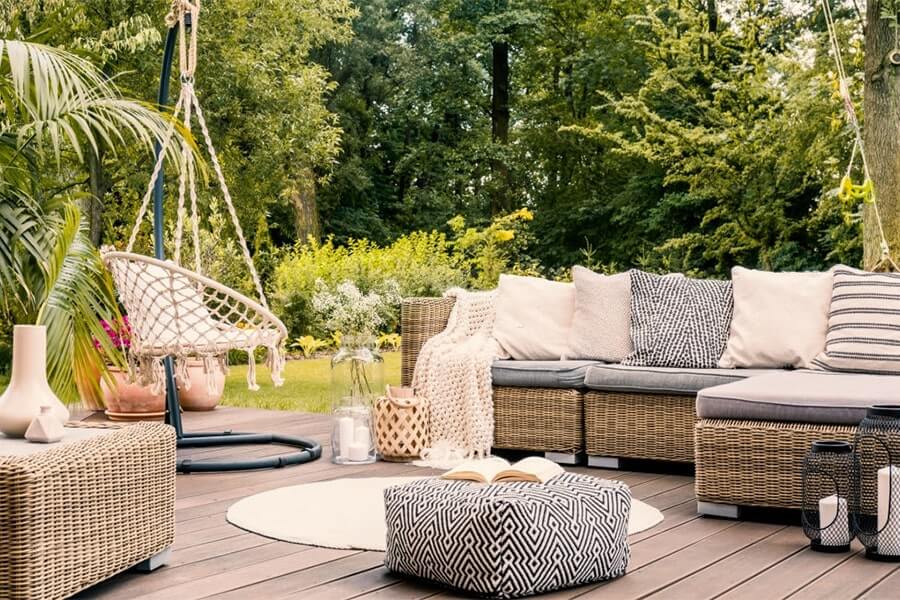
Offering a place to unwind, interact, and slow down in a world that seldom does, outdoor living areas have become a crucial component of modern residences. A well-designed garden depends on furniture that invites visitors to sit, relax, and enjoy the outdoors in comfort; it no longer depends solely on paths and plants. The proper furniture changes open space into a practical living room that accommodates both daily life and unique events. Most outdoor furniture decisions are now driven by comfort, durability, and style, especially as more and more gardens are used year-round. Design decisions now centre on details once neglected, including fabric quality and weather resistance. Features like waterproof cushions for outdoor furniture enable homeowners to appreciate their gardens without having to stress over unexpected weather changes, therefore making outdoor areas more functional, inviting, and simple to maintain in everyday life.
Rethink Outdoor Living
Nowadays, outdoor areas are not considered as residual areas behind the house. Used for unwinding, amusement, and even employment, gardens have grown into daily life extensions. How these areas run and feel depends mostly on the outdoor furniture. Many homeowners now combine items depending on how they really use their garden rather than matching sets. Quiet mornings call for a seat; evening rest calls for a chaise lounge; a table allows for shared meals; and they all cohere perfectly. Gardens have a more personal and welcoming vibe when furnishings mirror lifestyle rather than trends.
Comfort First
Garden designers now give top priority to comfort. With deeper seats, supportive backs, and cushions meant to withstand fluctuating weather, outdoor furniture now reflects the cosiness of indoor life. When seats feel truly cosy instead of merely ornamental, people spend more time outside. Gardens can adjust to various points throughout the day thanks to ergonomic shapes and flexible layouts. Sufficient furnishings motivate more significant outdoor time, lengthier chats, and slower evenings.
Materials With Longevity
In outdoor furniture, durability becomes more crucial than before. Materials that can resist sun, rain, and temperature fluctuations without regular care are needed for contemporary gardens. Weather-resistant wood, powder-coated metals, and sophisticated artificial fibres give longevity without compromising flair. These materials age gracefully, acquiring character rather than damage. Selecting long-lasting furniture helps to promote sustainable living and lowers replacement costs. Long-lasting elements also provide continuity, enabling gardens to change without necessitating seasonal thorough renovations.
Layouts That Can Be Adapted
Arrangements that are flexible are replacing fixed layouts. Modular sofas, portable chairs, and small tables enable garden areas to evolve according to the event. A calm afternoon arrangement can differ greatly from a nighttime celebration. Furniture that changes helps to maintain outdoor spaces useful all year. This adaptability helps even tiny gardens appear bigger and more energetic. Natural design changes enable gardens to stay functional instead of being frozen in one use.
Blending Indoors Out
Contemporary garden furniture sometimes finds design inspiration from interior rooms. Soft textures, subdued colours, and stratified seating help to smoothly integrate outside and inside. This visual consistency helps gardens seem like genuine living areas rather than seasonal additions. Outdoor use rugs, side tables, and accent chairs bring warmth without clutter. Combining indoor cosiness with outside freedom promotes daily usage instead of infrequent visits.
Personal Style Shows
Outdoor furniture has turned into a means of self-expression. Gardens these days mirror personal taste as much as interior rooms do. While some homeowners favour minimalist styles, others welcome strong colours or rough textures. Mixing different materials and genres gives personality and avoids a showroom appearance. Outdoor areas have a genuine feel when furniture selections match one’s own identity. Naturally, a garden reflecting its owner strikes one as friendlier and more laid back.
Inviting Living Environments
The most productive gardens appear to be lived in rather than staged. Considerate furniture placement fosters interaction, relaxation, and connection. Furniture divides a room into areas meant to direct human interaction and movement. Gardens become integrated into daily living instead of merely backdrop décor when they foster genuine activity. Carefully selected outside furniture turns yards into areas for memory formation. Furniture, therefore, transforms experiences and strengthens the relationship between people and their surroundings rather than merely filling space.
Conclusion
A simple garden into a genuine extension of the house depends in part on outdoor furniture. Gardens turn into areas people instinctively come back to daily when comfort, longevity, and personal style combine. Deliberate decisions promote relaxation, interaction, and continuous pleasure. Outdoor living seems natural, welcoming, and really lived in with the proper furnishings in place.
Visit The Fintechzoom for more informative blogs.