

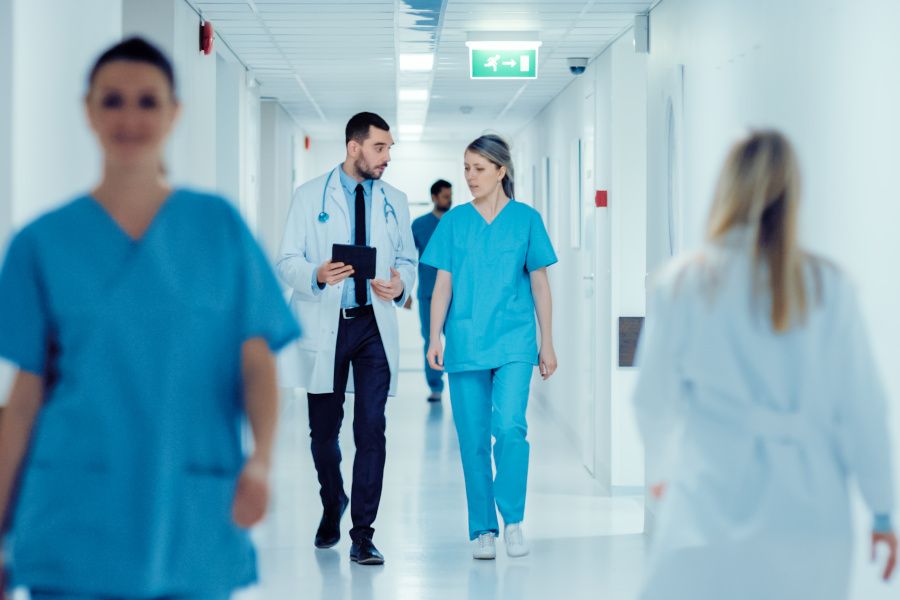
It is not only that medical uniforms are a requirement in health care; they also help look professional. They play a vital role in the general clinical outcomes, work safety, and infection management. The appropriate professional clinical wear safeguards the patients and medical workers in various environments, such as clinics, hospitals, labs, and assisted living homes. With the increase in Medical demands, medical uniform suppliers are focusing more on designing clothing that enhances comfort, safety and hygiene and also comply with the strict regulations as healthcare demands keep escalating. Wearing medical uniforms protects the healthcare staff against the dangers they may be exposed to. Physiological fluids, dangerous bacteria and chemicals are common occurrences in medical operations; specialised gear is not a choice but an absolute necessity. Proper medical uniforms reduce risks, maintain high standards of hygiene, and help the workers perform their duties safely and effectively.
Defence Against Contamination and Infection
The ability of medical uniforms to prevent infections is one of their most significant safety advantages. Uniforms assist reduce cross-contamination because bacteria and viruses can spread quickly in clinical settings. Medical uniforms are usually composed of materials that are easy to clean, fluid-resistant, and able to survive washing at high temperatures. This guarantees that dangerous microbes are removed during washing. Additionally, wearing specialised clinical attire stops germs from spreading outside of medical facilities. The risk of bringing infectious agents into households or public areas is greatly decreased when employees change out of their uniforms before leaving the office. Protecting vulnerable people as well as preserving public health depend on this protective role.
Improved Protection Against Physical Risks
Spills, splashes, and contact with sharp objects are just a few of the physical hazards that healthcare workers must deal with. Medical uniforms are made to offer an additional line of defence against these risks. The possibility of skin exposure during treatments is decreased by long sleeves, strengthened seams, & sturdy materials. Specialised clothes provide extra security precautions in settings like operating rooms and labs. Fitted designs reduce slack fabric that might hinder tools or jeopardise sterility, while fluid-resistant textiles guard against chemical and blood splashes. Clinical staff can work in a safer setting because of these protective attributes.
Enhanced Sanitation using Speciality Textiles
Modern medical uniforms are made using advanced textile technology that augments hygiene. Antimicrobial textile use in clinical apparel is also gaining momentum, with its effect being to hinder the growth of bacteria as well as reducing odours. These materials can be used to create a cleaner healthcare environment by reducing the potential of microbes lingering on either side of clothing. Further, breathable and moisture-wicking materials can be used to create comfort, including maintaining hygienic conditions. Medical uniforms reduce the conditions under which bacteria thrive by reducing sweat and moisture build-up. This combination of comfort and cleanliness does not harm the safety regulations and promotes working long days.
Appreciation and Recognition of Roles in Clinical Situations
Medical uniforms promote safety because they are easy to identify the medical personnel and know what is expected of them. Colour-coded scrubs, badges and the design of uniform ensure that patients as well as the staff can easily recognise the physicians, nurses, technicians and support workers. This is very important in times of emergencies where prompt conservation of time may save lives. Role authentication also averts unauthorised access to restricted areas. Wearing uniforms would facilitate easy identification of those who should not be in given areas of clinical care, enhancing patient safety and overall security.
Reduction of Workplace Accidents
Medical clothes that are well-made can avoid accidents in workplaces. Tripping, snagging, and limited movement are reduced with the help of the right length, unrestrictive designs, and comfortable fitting. These factors are essential in avoiding accidents within busy healthcare environments where employees tend to be in motion most of the time. Slip-resistant shoes, which often come with medical uniforms, also help to energise security by reducing the likelihood of falling on slanting or even damp floors. A combination of these same elements makes healthcare workers have a safer and more productive working environment.
Complicated Obedience to Health and Safety Rules
Medical uniforms can help a healthcare facility comply better with rigorous hygiene and safety regulations. To ensure the safety, hygiene and infection control of the workers, government departments often dictate strict dress codes. By wearing official uniforms, institutions can fulfil those objectives and remain in law without any trouble. A standardised policy also makes it easy to enforce safety regulations and to train individuals. It is also easier to maintain compliance across the departments, not to mention the shifts, because when everyone follows the same dress code, it becomes easier to maintain compliance across the shifts as well.
Final Words
Medical uniforms have an impact on the whole healthcare ecosystem. The medical uniforms assist in creating a safer, more productive working environment by reducing the likelihood of contamination and accident occurrence, positively influencing the health of the worker, as well as upholding professional integrity.
Visit The Fintechzoom for more informative blogs.