

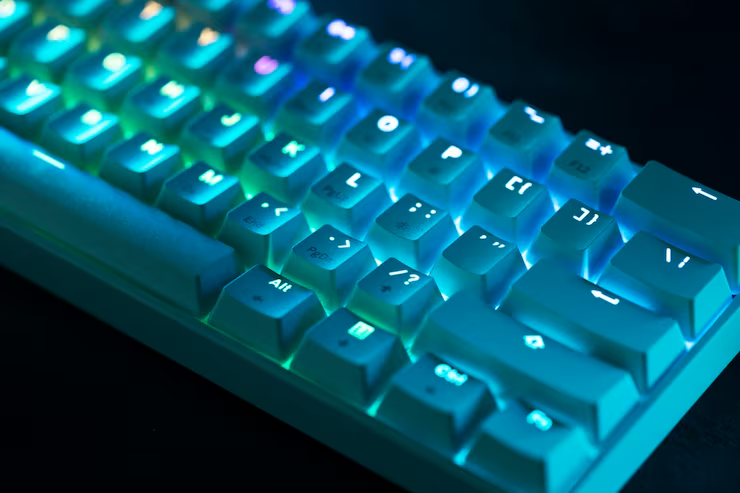
Kibard is a common typo or variation of the word keyboard, often appearing in online searches and typed text. Many users encounter kibard due to fast typing, autocorrect errors, or voice-to-text misinterpretations. Understanding kibard is important for digital communication, as it reveals how people interact with mobile devices, tablets, and touchscreen devices.

This typo also has SEO value, helping content creators capture traffic from text input errors and search queries with misspellings. In this guide, we will explore the origins of kibard, its connection to typing habits, keyboard types, and its significance in digital communication trends and online marketing strategies.
What Is Kibard? Understanding the Term and Its Origins
Kibard is primarily a keyboard typo seen in searches and typed text. It happens when users type too fast, rely on predictive text, or use voice recognition systems incorrectly. This typo is common across mobile devices, tablets, and touchscreen devices. In the USA, many people search for “kibard” when they mean keyboard, showing how online search behavior captures human error in digital communication.
The origin of kibard is simple: it is a phonetic mistake. Non-native speakers, children, or even adults using voice-to-text can create voice-to-text typos. Autocorrect sometimes changes “keyboard” to kibard, especially on hybrid devices or older software. Understanding kibard allows content creators to predict search traffic and optimize content for SEO for typos.
Kibard vs Keyboard: Clarifying the Confusion
Many people confuse kibard with a proper keyboard. While keyboard errors cause typing mistakes, kibard is not an official word. It appears in search queries when users type incorrectly or rely on predictive typing. The confusion grows when people ask about kibard in forums, reviews, or social media.
Some users also search kibard looking for digital brands or gaming keyboards. In the USA, user behavior analysis shows that text input errors like kibard often come from mobile typing errors on tablets or hybrid devices. Understanding this helps content strategy and SEO for typo-based searches.
Keyboard Basics: Core Tools of Digital Interaction
A keyboard is a primary tool for digital device input. It allows users to type text, commands, and shortcuts efficiently. Physical keyboards include mechanical keyboards, membrane keyboards, and ergonomic keyboards. They differ in feel, typing speed, and durability. Typing accuracy improves when users select the right keyboard layout and maintain proper typing habits.
Virtual keyboards on mobile devices and tablets provide flexibility but can cause touchscreen keyboard mistakes. Hybrid devices with small screens may increase typing errors. Users need to understand typing patterns to reduce mistakes. Gesture recognition and haptic feedback keyboards improve typing experience and accuracy.
Looking to expand your knowledge? Check out more of our articles!
Types of Kibards (Keyboards) Explained
Kibards come in various types. Mechanical keyboards offer tactile feedback and durability, perfect for office work or gaming keyboards. Membrane keyboards are quieter and more affordable. Ergonomic keyboards reduce strain and help with typing efficiency.
Wireless and Bluetooth keyboards provide mobility and flexibility, while virtual keyboards are essential on touchscreen devices and tablets. App-specific keyboards may include extra keys for software like messaging apps. Users can compare features using a simple table:
| Keyboard Type | Features | Best Use |
| Mechanical Keyboard | Tactile, durable | Gaming, heavy typing |
| Membrane Keyboard | Soft keys, quiet | Office, casual use |
| Ergonomic Keyboard | Angled layout, reduces strain | Long typing sessions |
| Virtual/On-screen | Touch-based, predictive typing | Mobile devices, tablets |
| Wireless/Bluetooth | Cord-free, portable | Travel, flexible setups |
The Evolution of Keyboards and Typing Technology
Keyboards have evolved from mechanical typewriters to advanced typing interfaces. AI-assisted typing and predictive text now guide users to type faster. Touchscreen devices and hybrid devices allow typing on the go but increase mobile typing errors.
Modern typing technology includes gesture recognition, haptic feedback keyboards, and voice recognition. These features enhance typing accuracy, reduce keyboard typos, and improve overall digital communication. Studying this evolution helps users and content creators anticipate text input errors and improve content optimization.
There’s so much more to discover—browse our related posts!
Reducing Typing Mistakes and Improving Accuracy
Reducing typing errors starts with understanding typing patterns. Physical keyboard layout, proper posture, and practice improve typing efficiency. Autocorrect and predictive typing help correct mistakes like kibard, but manual proofreading remains important.
Touchscreen devices and tablets often increase mobile typing errors, so users should take care when typing quickly. Learning touch typing, configuring keyboards properly, and practicing on different devices reduces keyboard errors. Typing habits are key to long-term typing accuracy and fewer text input errors.
SEO Implications of Kibard: Capturing Typo-Based Traffic
Even though kibard is a keyboard typo, it has real SEO value. Many search queries in the USA contain typos, and optimizing for them captures search traffic. Including kibard in meta titles, FAQs, and content ensures content creators reach users typing mistakes.
SEO for typos can improve user behavior analysis, engagement, and digital communication trends. By targeting kibard, websites gain a unique audience searching for typing mistakes, autocorrect errors, or digital device input guidance. Content strategy that considers kibard reduces bounce rates and increases organic reach.
Kibard in Branding and Creativity
Some digital brands intentionally use kibard as a unique name. Its unconventional spelling makes it memorable in social media, apps, and online stores. Content creators can use typo-based branding to stand out in online marketing.
Using kibard in branding emphasizes innovation and creativity. Companies in tech and gaming can link the term to typing technology, gaming keyboards, or mobile interfaces. Even accidental typos can inspire strong brand identity and improve search traffic.
Choosing and Maintaining Your Kibard
Choosing the right kibard depends on the purpose. Mechanical keyboards suit gamers and typists needing typing accuracy, while membrane keyboards work for casual users. Virtual keyboards are ideal for mobile devices and tablets. Maintenance includes cleaning, updating software, and troubleshooting keyboard errors.
Regular maintenance improves typing efficiency. Gesture recognition and AI-assisted typing also help reduce typing mistakes. Content creators and office users alike benefit from selecting the proper typing interfaces for long-term use.
The Future of Kibard and Typing Technology
The future of kibard and keyboards includes AI integration, predictive typing, and advanced haptic feedback keyboards. Voice recognition will continue evolving but may create new voice-to-text typos. Digital communication trends show that typing habits will always influence online search behavior.
Despite improvements, humans will make keyboard typos like kibard. Content strategy that considers these variations remains valuable. Typing technology will continue to enhance speed, accuracy, and efficiency, but text input errors will persist, giving content creators opportunities to optimize for real-world user behavior.
Read More: The Fintech zoom