


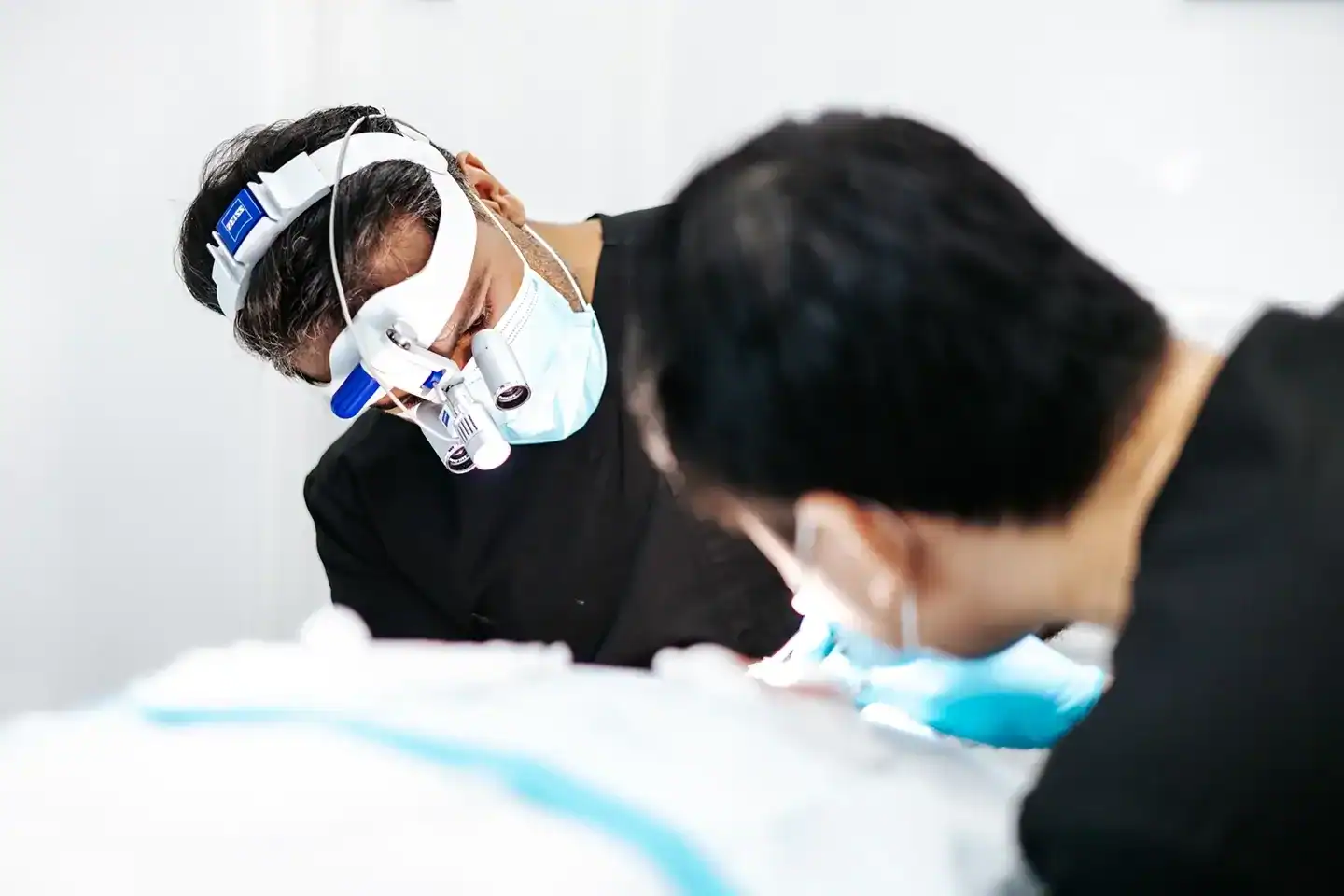
Let’s be honest—losing your hair can feel devastating. You’ve probably stood in front of the mirror, noticing that receding hairline or thinning crown, wondering if there’s a solution. The good news? Hair transplant technology has come incredibly far. The challenging news? Quality procedures don’t come cheap, typically ranging from $4,000 to $15,000 depending on your needs.
But here’s what most people don’t realize: the price tag doesn’t have to stop you. Today’s financing landscape offers multiple pathways to make hair restoration accessible, even if you can’t pay everything upfront.
Understanding Hair Transplant Costs
Before diving into payment solutions, let’s break down what you’re actually paying for. Hair restoration procedures vary significantly in price based on several factors.
FUE (Follicular Unit Extraction) techniques generally cost more than traditional FUT methods, running between $6,000 and $15,000 for most patients. The number of grafts you need plays a massive role—some people only require 1,000 grafts while others need 3,000 or more.
Geographic location matters too. Clinics in major metropolitan areas like New York or Los Angeles charge premium rates compared to smaller cities. The surgeon’s experience level, clinic reputation, and included aftercare services all impact your final bill.
Most insurance companies consider hair transplants cosmetic procedures, meaning you’ll shoulder the entire cost yourself. That’s exactly why financing becomes so critical.
Medical Credit Cards: Fast Approval, Flexible Terms
Medical credit cards have become increasingly popular for elective procedures. CareCredit stands out as the industry leader, accepted at over 250,000 healthcare providers nationwide.
These specialized cards offer promotional periods—often 6, 12, or 24 months—with zero interest if you pay the balance before the deadline. This approach works brilliantly if you can afford monthly payments that clear the debt within the promotional window.
However, there’s a catch. Miss that deadline by even one day, and you’ll face deferred interest charges on the original balance, often at rates exceeding 26%. You need discipline and realistic budgeting to make this option work.
Alpheon Credit and United Medical Credit provide similar services with varying approval requirements. Most require decent credit scores (typically 640 or higher) but offer quick decisions, sometimes within minutes.
In-House Payment Plans: Clinic-Specific Solutions
Many reputable hair transplant clinics recognize the financial barrier and offer their own payment arrangements. These internal financing options can be surprisingly flexible.
Some clinics provide 12 to 24-month payment plans with minimal or no interest, especially if you make a substantial down payment. Others partner with third-party financing companies to offer extended terms up to 60 months.
The beauty of in-house plans? They often accommodate patients with less-than-perfect credit since the clinic controls approval criteria. You’re dealing directly with the provider, which can simplify communication and payment management.
Always read the fine print carefully. Understand the interest rates, late payment penalties, and whether the clinic retains rights to pursue collections if payments lapse.
Personal Loans: Traditional Banking Routes
Personal loans from banks, credit unions, or online lenders offer another viable pathway. These unsecured loans don’t require collateral and can be used for any purpose, including medical procedures.
Credit unions frequently offer the most competitive rates for members, sometimes as low as 6-8% APR for qualified borrowers. Traditional banks provide similar products but might charge higher interest rates, particularly for borrowers with average credit.
Online lenders like LightStream, SoFi, and Marcus have streamlined the application process dramatically. You can often receive approval within 24-48 hours and have funds deposited directly into your account.
The key advantage? You receive a lump sum upfront, pay the clinic in full, and repay the lender over a fixed term with predictable monthly payments. Interest rates depend heavily on your credit score, income stability, and debt-to-income ratio.
Health Savings Accounts and FSAs
If your hair loss stems from medical conditions like alopecia areata, burns, or trauma, you might qualify to use HSA or FSA funds. These tax-advantaged accounts can significantly reduce your effective cost.
Health Savings Accounts work with high-deductible health plans, allowing you to contribute pre-tax dollars that roll over year to year. Flexible Spending Accounts through your employer operate similarly but typically require you to use funds within the calendar year.
The IRS permits HSA/FSA usage for medically necessary procedures. While purely cosmetic hair transplants don’t qualify, restoration following medical hair loss often does. You’ll need documentation from your physician establishing medical necessity.
This approach requires planning since annual contribution limits apply—$4,150 for individuals and $8,300 for families in 2024 for HSAs. But the tax savings make it worthwhile when applicable.
Buy Now, Pay Later Services
The rise of fintech has introduced BNPL platforms into medical services. Companies like Cherry, PatientFi, and Walnut offer payment splitting specifically designed for healthcare procedures.
These services typically divide your total cost into equal monthly installments over 3 to 24 months. Many offer 0% interest options for shorter terms, making them attractive alternatives to traditional credit cards.
Approval processes are generally less stringent than conventional loans, focusing more on income verification than extensive credit history. This accessibility helps patients with thin credit files or previous financial challenges.
The trade-off? Longer terms usually carry interest rates, and some services charge origination fees. Read all disclosures carefully and calculate your total repayment amount before committing.
Related Post: Finance CryptoProNetwork.com
Smart Financing Strategies
Regardless of which financing route you choose, certain strategies maximize value and minimize stress.
First, get multiple quotes from reputable surgeons. Prices vary significantly, and more expensive doesn’t always mean better results. Research surgeon credentials, review before-and-after photos, and read patient testimonials thoroughly.
Consider timing strategically. Some clinics offer promotional discounts during slower seasons or for booking multiple sessions upfront. Don’t let promotions pressure you into hasty decisions, but do capitalize on legitimate savings opportunities.
Calculate total repayment costs, not just monthly payments. A low monthly payment stretched over 72 months might actually cost you thousands more in interest than a higher payment over 36 months.
Build the cost into your budget realistically. Factor in potential time off work, medications, follow-up appointments, and any touch-up procedures you might need. Financial surprises create unnecessary stress during recovery.
Making Your Decision
Choosing the right financing option depends entirely on your unique financial situation. Excellent credit opens doors to low-interest personal loans and promotional medical credit cards. Fair credit might steer you toward in-house payment plans or BNPL services.
Start by checking your credit score and understanding where you stand. Then approach financing systematically: research options, compare terms, calculate total costs, and choose what fits your budget without stretching finances dangerously thin.
Remember, hair restoration is an investment in yourself. While financing makes it accessible, you should never jeopardize your financial stability. If monthly payments would strain your budget significantly, consider waiting and saving more upfront.
The right approach balances achieving your cosmetic goals with maintaining financial health. Take your time, ask questions, and choose a financing path that supports both your appearance and your wallet.