


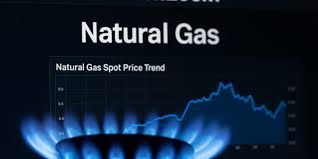
Natural gas stands as one of the most volatile yet crucial commodities in today’s energy landscape. If you’ve been tracking energy markets through platforms like FintechZoom, you’ve probably noticed the dramatic price swings that make natural gas both exciting and nerve-wracking for investors.
Let me walk you through everything you need to know about natural gas trading, market dynamics, and how FintechZoom helps investors navigate this complex sector.
Understanding Natural Gas in Today’s Energy Markets
Natural gas has become the bridge fuel between fossil fuels and renewable energy. It’s cleaner than coal, more abundant than oil, and significantly cheaper than both. The global natural gas market was valued at approximately $920 billion in 2024, with projections suggesting it’ll surpass $1.2 trillion by 2030.
What makes natural gas particularly interesting right now? Three major factors:
Supply disruptions following geopolitical tensions have reshaped global trade routes. European nations scrambled to replace Russian pipeline gas with liquefied natural gas (LNG) from the United States and Qatar.
Weather patterns continue driving unprecedented volatility. A single polar vortex can send prices soaring 40% within days, while mild winters crush demand and tank prices just as quickly.
Energy transition policies create a paradox—governments push for cleaner energy while simultaneously recognizing natural gas as essential for grid stability when solar and wind fall short.
How FintechZoom Tracks Natural Gas Markets
FintechZoom has emerged as a go-to platform for real-time energy market intelligence. Unlike traditional financial news outlets that update sporadically, FintechZoom provides continuous coverage of natural gas futures, spot prices, and storage data.
The platform aggregates data from multiple sources: NYMEX futures contracts, European TTF prices, Asian JKM spot rates, and weekly storage reports from the Energy Information Administration. This comprehensive approach gives traders a 360-degree view of global markets.
What sets FintechZoom apart is its accessibility. Complex market data gets translated into digestible insights that both professional traders and curious investors can understand. Chart analysis, technical indicators, and fundamental factors all live under one digital roof.
Natural Gas Price Drivers You Must Monitor
Understanding what moves natural gas prices separates successful traders from those burning through capital. Here’s what actually matters:
Storage levels function as the market’s heartbeat. The U.S. typically needs about 3,500 billion cubic feet (Bcf) entering winter to avoid price spikes. When inventories fall below this threshold, markets get nervous. Current storage sits near 3,400 Bcf—slightly below the five-year average but not alarming.
Production capacity has exploded thanks to shale gas development. The Permian Basin, Marcellus Shale, and Haynesville formations now produce over 100 Bcf daily. This abundance keeps baseline prices suppressed unless weather events spike demand.
Export terminals have transformed U.S. markets. Seven major LNG facilities now ship American gas worldwide, creating a permanent floor under domestic prices. When Europe or Asia pays premium rates, U.S. exporters happily divert supply overseas.
Pipeline constraints still bottleneck certain regions. The Northeast produces massive volumes but lacks sufficient pipeline capacity to move gas south and west. This creates regional price disconnects where gas trades $1 cheaper in Pennsylvania than Texas.
Related Post: FintechZoom.com Top Stock Gainers Today
Reading Natural Gas Futures and Spot Markets
Natural gas trades primarily through NYMEX futures contracts, with each contract representing 10,000 million British thermal units (MMBtu). The front-month contract gets the most attention, but smart traders watch the entire futures curve.
Contango markets occur when future contracts trade higher than spot prices. This typically signals adequate current supply with concerns about future availability. It’s normal during summer when producers build storage for winter.
Backwardation flips this relationship—near-term contracts trade at premiums to future months. This screams urgent demand and tight supplies. We saw extreme backwardation in winter 2022 when prices hit $9/MMBtu while summer contracts traded near $4.
Spot markets tell you what’s happening right now at specific delivery points. Henry Hub in Louisiana serves as the U.S. benchmark, but dozens of regional hubs trade at various differentials based on local supply-demand dynamics.
Investment Strategies for Natural Gas Markets
Direct futures trading isn’t for everyone—the leverage and volatility can devastate unprepared accounts. Fortunately, multiple paths exist to gain natural gas exposure:
ETFs and ETNs like United States Natural Gas Fund (UNG) provide simplified access. However, understand these products suffer from contango decay—rolling futures contracts monthly creates friction costs that erode returns over time.
Producer equities offer indirect exposure with less volatility. Companies like EQT Corporation, Chesapeake Energy, and Antero Resources profit when gas prices rise but don’t move tick-for-tick with the commodity. Dividend yields often sweeten the deal.
Midstream infrastructure plays like Kinder Morgan and Williams Companies generate steady cash flows regardless of price fluctuations. They charge toll-booth fees for moving gas through pipelines—a lower-risk way to participate in sector growth.
Options strategies allow sophisticated traders to define risk precisely. Buying calls limits downside to premium paid while maintaining unlimited upside potential. Selling covered calls against ETF positions generates income in range-bound markets.
Seasonal Patterns Every Trader Should Know
Natural gas exhibits powerful seasonal tendencies that create tradable opportunities:
Shoulder seasons (spring and fall) typically see the weakest prices as heating and cooling demand fade. Producers often schedule maintenance during these periods, temporarily reducing supply but rarely enough to offset sagging demand.
Winter premium builds through November as heating season approaches. Smart traders accumulate positions in September and October, then scale out as cold weather arrives and prices spike.
Summer air conditioning loads can surprise markets. While less impactful than winter heating, scorching heat waves across Texas and the Southeast can push power generation demand high enough to move prices.
Hurricane season introduces wild cards from June through November. Gulf of Mexico production accounts for about 2% of U.S. supply—not huge, but significant storms can shut platforms and disrupt LNG exports, creating temporary supply squeezes.
Risk Management in Volatile Gas Markets
Natural gas deserves respect. I’ve watched traders nail the direction perfectly yet still lose money due to poor risk management. Here’s how to protect yourself:
Position sizing matters more than entry price. Never risk more than 2% of your trading capital on a single natural gas trade. The overnight gaps can be brutal—a geopolitical headline or weather forecast revision can gap prices 15% before you can react.
Stop losses aren’t optional in energy trading. Determine your exit point before entering positions. Mental stops don’t work when emotions take over during volatile sessions.
Correlation awareness prevents concentration risk. Natural gas prices correlate with crude oil, utility stocks, and broader equity markets during risk-off events. Diversification means more than just spreading money across energy positions.
Frequently Asked Questions
What makes natural gas prices so volatile compared to other commodities?
Natural gas can’t be easily stored long-term like oil, making it highly sensitive to immediate supply-demand imbalances. Weather creates unpredictable demand spikes, and pipeline constraints prevent quick rebalancing between regions.
How does FintechZoom help retail investors access professional-grade natural gas data?
The platform democratizes institutional-quality market intelligence by aggregating real-time pricing, storage reports, weather forecasts, and technical analysis into one accessible interface without expensive subscriptions.
Should beginners trade natural gas futures directly?
Probably not. The leverage and volatility make futures contracts dangerous for inexperienced traders. Start with ETFs or producer stocks to gain exposure while learning market dynamics without risking catastrophic losses.
What’s the best time of year to invest in natural gas?
Historically, accumulating positions in late summer (August-September) before winter heating season offers favorable risk-reward. However, technical analysis and fundamental factors should always confirm seasonal patterns before committing capital.
How do global LNG markets affect U.S. natural gas prices?
Export terminals create a price floor by giving U.S. gas access to higher-priced international markets. When European or Asian prices spike, increased LNG exports tighten domestic supply and lift U.S. prices, though less dramatically than overseas markets.