

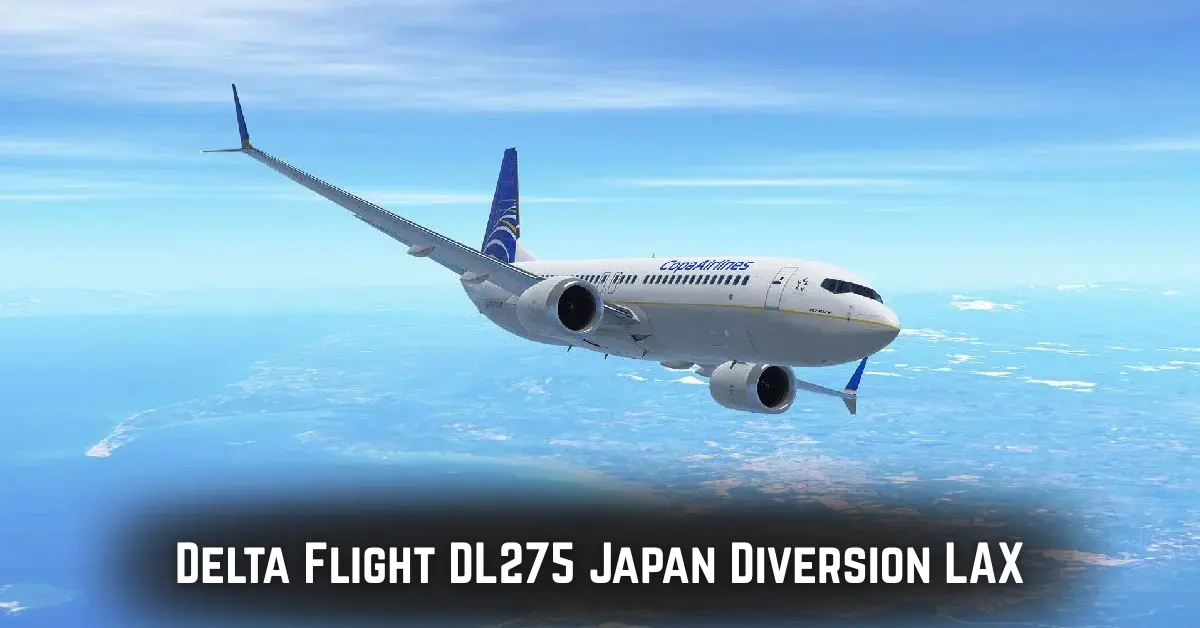
The Delta Flight DL275 Japan diversion LAX incident drew widespread attention after a routine Japan to Los Angeles flight was forced to change course due to an unexpected technical warning mid-air. While flying at cruising altitude, onboard systems detected a potential in-flight engine failure, prompting the flight crew to follow strict emergency flight diversion procedures.

The aircraft safely returned to Los Angeles, highlighting the effectiveness of modern aviation safety systems. Incidents like this remind travelers that passenger protection is always the top priority in commercial aviation. Thanks to trained pilots, advanced aircraft technology, and clear communication, the situation was handled calmly and professionally, reinforcing confidence in airline safety practices.
Introduction to Delta Flight DL275 Japan Diversion Incident
The Delta Flight DL275 Japan diversion LAX incident involved an emergency flight diversion after an unexpected technical warning occurred during cruise. The aircraft was flying at a high-altitude flight (38,000 feet) when systems detected a potential aircraft engine fault. Such situations are taken very seriously in aviation.
This mid-air emergency showed how modern airlines rely on strict aviation emergency response systems. Although alarming for passengers, the incident highlighted the strength of flight safety standards and the importance of quick action to protect passenger safety.
Discover what ties this topic together—read our related post now.
Flight DL275 Route Details – From Japan to Los Angeles
Delta Flight DL275 was operating a long-distance Japan to Los Angeles flight between Tokyo / Japan and the United States. This route is part of Delta’s regular transpacific schedule and connects Asia with the US West Coast through Los Angeles International Airport (LAX).
The aircraft used on this route was an Airbus A350, a modern wide-body jet designed for long-haul efficiency. These aircraft are built to handle ocean crossings safely and are supported by advanced systems, strong aviation risk management, and strict aircraft maintenance protocols.
What Caused the Delta Flight DL275 Engine Emergency?
During the flight, the cockpit received an engine failure alarm triggered by onboard sensors. These cockpit alerts do not always mean the engine has failed completely, but they indicate a possible engine malfunction that must be treated as serious.
Modern aircraft constantly analyze aircraft performance data using real-time monitoring systems. When values move outside safe limits, pilots must act immediately. This approach ensures that even potential risks are addressed before they can become dangerous.
Timeline of Events During the Mid-Air Emergency
The sequence of events followed standard airline emergency procedures. After reaching cruising altitude, warning systems activated, signaling an in-flight engine failure risk. Pilots reviewed system messages, followed emergency checklists, and coordinated with air traffic control.
The diversion decision was made quickly. The aircraft safely turned back toward the United States and prepared for a controlled return. This clear timeline shows how structured pilot decision-making prevents confusion during a turbulent flight experience.
| Event Stage | Description |
| Cruise Phase | Aircraft flying normally over the Pacific |
| Alert Phase | Cockpit alerts and warning indicators activated |
| Decision Phase | Diversion decision made by pilots |
| Landing Phase | Safe landing at Los Angeles International Airport (LAX) |
Why Was Los Angeles (LAX) Chosen for the Diversion?
Choosing LAX for the LAX flight diversion was based on safety and logistics. LAX offers long runways, emergency services, and full maintenance support. These factors are critical during an emergency landing procedures scenario.
Delta Air Lines also operates major facilities at LAX, making it easier to support passengers and manage aircraft recovery. Airports like LAX are prepared for large aircraft emergencies under strict aviation industry standards.
How Did the Flight Crew Handle the Emergency?
The response from the pilots showed high levels of pilot training and calm judgment. Following company and manufacturer procedures, they relied on emergency protocols developed through years of safety drills and simulator training.
Inside the cabin, flight attendants demonstrated strong flight crew professionalism. Clear passenger communication helped reduce fear and maintain order, even as the aircraft changed course unexpectedly.
Passenger Experience and Reaction Onboard
Passengers experienced understandable anxiety during the emergency flight diversion. Some described concern when announcements were made, while others felt reassured by the calm tone of the crew. This emotional mix is common during any aviation incident.
Despite the stress, passenger safety was never compromised. Cabin crew remained visible and supportive, ensuring that everyone followed safety instructions throughout the return to LAX.
What Happened After Delta Flight DL275 Landed at LAX?
After landing, the aircraft was met by ground teams for immediate aircraft inspection. Engineers examined the engine systems to identify the exact cause of the warning and confirm the aircraft’s condition.
Passengers were assisted by Delta staff for rebooking and accommodations. Such post-incident steps are part of standard aviation emergency response and help reduce disruption after unexpected diversions.
Delta Airlines’ Official Statement and Expert Opinions
Delta Air Lines confirmed that safety was never at risk and praised the crew for following proper procedures. The airline emphasized its commitment to strong aircraft maintenance protocols and ongoing monitoring.
Independent aviation experts noted that diversions like this demonstrate how safety systems work as designed. Modern aircraft are built to detect problems early and prevent escalation, reinforcing trust in airline operations.
“A diversion is not a failure. It is a success of safety planning,” said one aviation safety analyst.
Aviation Safety Lessons from Delta Flight DL275 Diversion
The Delta Flight DL275 Japan diversion LAX event shows why diversions are essential to commercial airline safety. Acting early reduces risk and keeps small issues from becoming serious emergencies.
This case highlights the value of aviation risk management, strong crew training, and strict global regulations. For passengers, it serves as reassurance that modern aviation prioritizes safety over schedules, even during a challenging turbulent flight experience.
Final Thought
While the Delta flight diversion may have caused inconvenience, it proved that modern aviation systems work exactly as intended. From detection to decision-making, every step focused on one goal: keeping people safe in the sky.