


Introduction
Car dent removal frustrates every car owner. Minor parking accidents, shopping carts, hailstorms, and ordinary mishaps can cause dents. A dent may not impact a vehicle’s technical function, but it can ruin its look, resale value, and paint if neglected. Professional auto repair technicians utilise many ways to fix damaged panels without affecting factory finishes. Understanding how dent removal specialists work helps car owners pick the best repair solution.
Understanding Different Types of Car Dents
Professionals assess damage before choosing a restoration method. Dents vary in size, depth, and placement, determining the optimum remedy. Shallow dents with unbroken paint are considered differently than severe creases or cracked paint. Aluminium panels respond differently than steel ones. Experts also assess if the dent is near car borders, body lines, or structural areas. This first examination helps specialists pick a safe panel restoration approach without causing more damage. Searching for ‘car dent removal near me’ helps you find fast, local repair experts.
Paintless Dent Repair
Modern vehicle repair professionals favour paintless dent repair. Dents without paint damage can be repaired this way. Behind the panel, technicians delicately massage the metal back into shape with specialist rods and tools. The method demands time, precision, and car body structural expertise. The factory finish is preserved and the repair is faster than traditional bodywork since no repainting is needed. Paintless dent repair uses no fillers or chemicals, making it eco-friendly.
Traditional Panel Beating
Traditional panel bashing works for deeper dents and damaged paint. Technical staff utilise hammers, dollies, and shaping equipment to gently reshape metal from the inside and outside. The car panel may need to be removed to reach the damaged region. After restoring the metal, body filler smooths defects before painting. This method is best for major metal stretching or creases, although it takes longer than paintless restoration.
Use of Heat and Shrinking Techniques
Auto repair experts use controlled heat to remove hard dents. Heat softens metal, making it simpler to form. Before carefully using tools, experts warm the damaged region with heat guns or other equipment. Some shrinking methods are used to repair strained metal. High heat can harm paint or weaken the panel, so this procedure takes skill. When done correctly, heat-assisted repair works well on difficult dents.
Glue Pulling Method
Other sophisticated techniques used in professional workshops include glue pulling. This approach uses special hot glue to connect little tabs to the dent. A puller is attached to the tabs to progressively remove the dent. After the metal is realigned, the adhesive may be removed without damaging the paint. For roof panels and double-layered doors that cannot be accessed from behind, glue pulling is beneficial. It lets mechanics fix damages without disassembling the car.
Suction and Vacuum Tools
Experts occasionally employ suction for light surface damages. Strong hoover cups are put over the depression and dragged outward to form the panel. It helps for tiny parking dings and gentle imprints but not harsh or severe damage. Professionals use suction tools and other ways to finish smoothly. This method is fast and doesn’t require repainting, making it cost-effective for simple repairs.
Role of Body Filler and Repainting
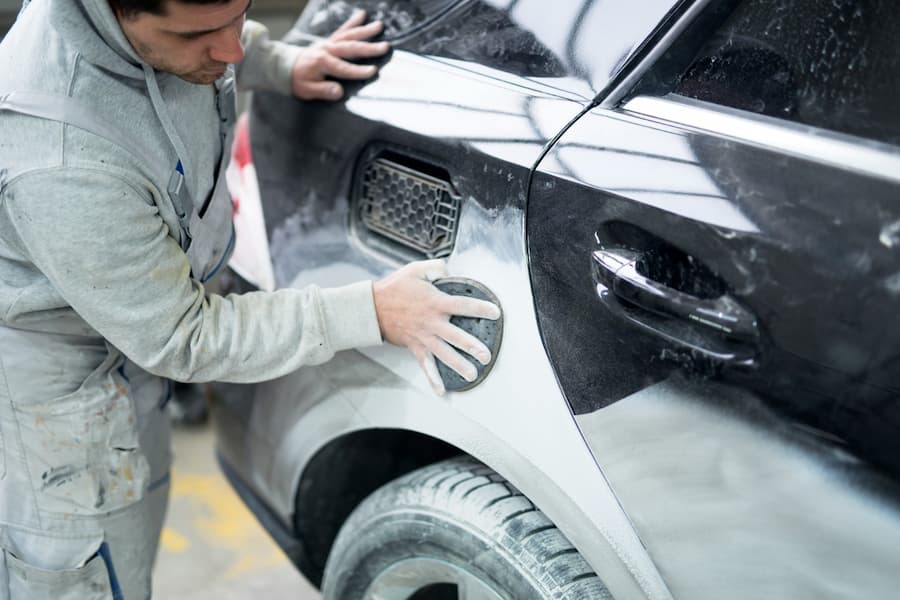
Body filler is needed for damaged paint or uneven metal from dents. Technicians level the panel with a small coating of filler after reshaping. The region is thoroughly sanded to match the metal. Colour-matching technology is used to match the original hue while repainting. A protective and shiny clear coat is applied. Repainting badly damaged panels is necessary for a faultless finish, but it takes longer.
Importance of Professional Assessment
Dent removal at home might worsen the problem. Vehicles with sensors, airbags, and complicated materials require trained and equipped auto repair technicians to assess their construction. Professionals know how much pressure a panel can take and how to preserve car value. Internal fractures and corrosion are also detected via a thorough investigation. Trusting trained specialists assures safe, lasting, and beautiful repairs.
Preventing Future Dent Damage
Experts recommend numerous actions to limit the danger of dents. Parking away from crowds, using covers, and being careful in confined places helps protect the vehicle’s paintwork. Maintaining paint with regular washing and waxing strengthens it against mild impacts. After repairs, auto repair technicians teach consumers these precautions. Long-term vehicle maintenance includes exterior care.
Choosing the Right Repair Method
The right dent removal method relies on cost, time, and car condition. Paintless procedures work best on newer cars with original paint, while older ones may need bodywork. Before commencing work, auto repair technicians discuss all possibilities with consumers. Understanding the pros and cons of each strategy gives car owners confidence in the outcome. Transparency increases workshop-client confidence.
Conclusion
Modern technology and years of knowledge are needed to remove car dent. Each dent is unique, therefore car repair specialists use procedures including paintless repair, adhesive removal, panel bashing, and repainting. Professional processes restore car look, value, and structural integrity. Understanding specialists’ roles helps car owners make wiser judgements and avoid fast repairs. Timely and professional dent repair keeps a car looking good for years.
Visit Thefintechzoom for more informative blogs.