

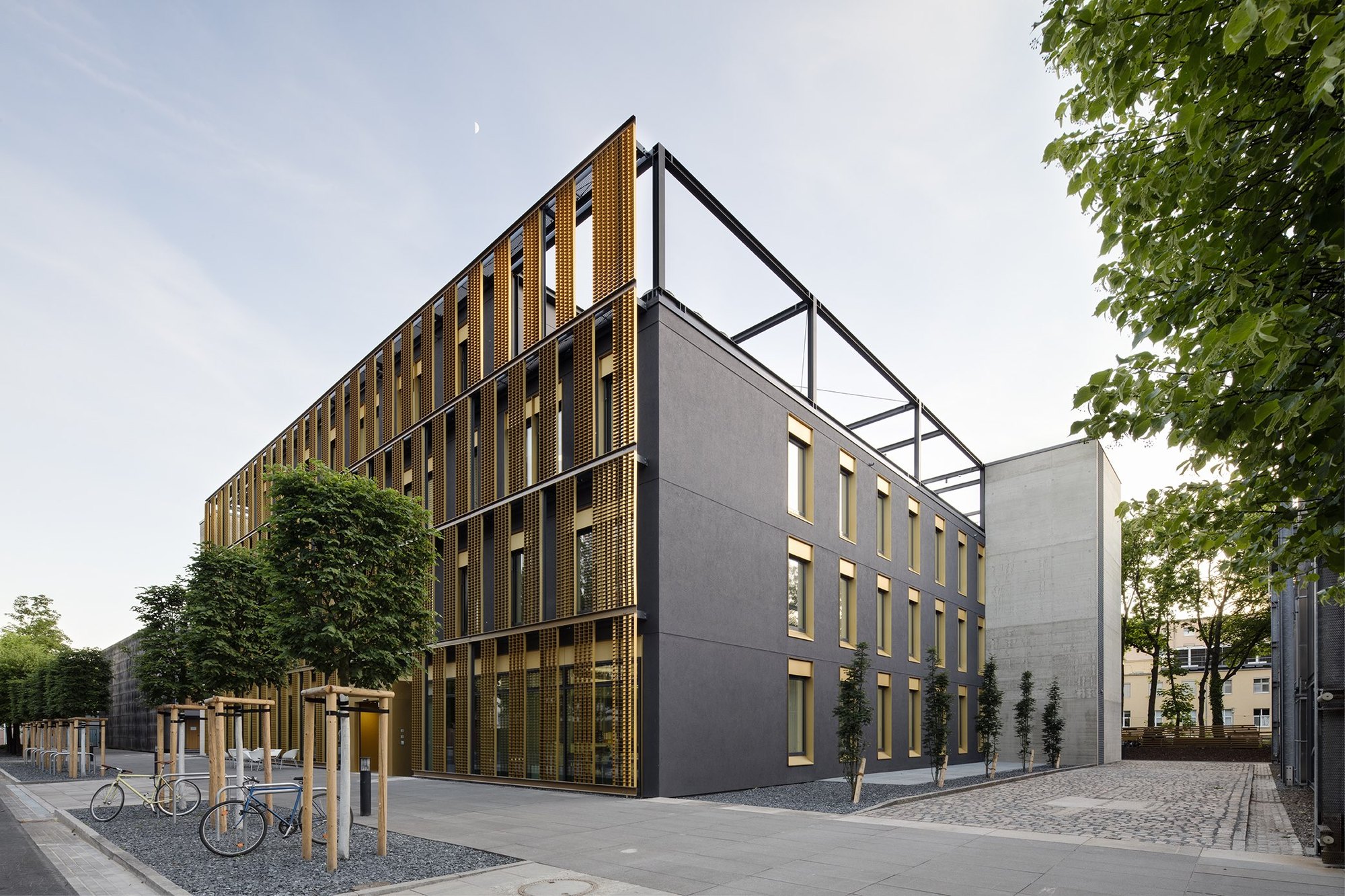
Regulatory compliance and sustainability are becoming essential components of contemporary building and real estate development. One of the most popular environmentally friendly evaluation frameworks in the world, BREEAM (Building Research Establishment Environmental Assessment Method), has been implemented extensively to assess and enhance buildings’ environmental performance. Developers, designers, and property owners can achieve regulatory objectives while promoting environmentally friendly techniques by being aware of BREEAM assessment standards and how they assist compliance. The main BREEAM evaluation requirements and their function in promoting compliance are examined in this article. A formal framework for measuring building sustainability and promoting adherence to legal and environmental requirements is provided by BREEAM Assessment Criteria.

BREEAM: What Is It?
The Building Research Establishment (BRE) created the widely accepted sustainability evaluation technique known as BREEAM. It evaluates how well buildings perform in terms of sustainability in the environment, society, and economy throughout the course of their lives. BREEAM provides an organized method for accomplishing sustainability objectives and meeting regulatory requirements throughout new construction, renovations, and existing buildings.
BREEAM Assessment Criteria’s Objective
A precise framework for assessing sustainability performance is offered by the BREEAM assessment standards. Team members on projects may manage environmental risks, find compliance gaps, and apply best practices with the use of these criteria. BREEAM promotes compliance during a project’s planning, building, and operation phases by conforming to regional building codes and global sustainability standards.
Important BREEAM Evaluation Categories
The BREEAM standards are divided into multiple categories, each of which focuses on a different facet of compliance as well as sustainability.
Administration
Project planning, implementation, and operational procedures are included under the Management category. It promotes quality control, participation from stakeholders, and accountable project management. Ensuring that projects adhere to specified procedures, risk mitigation plans, and achievement monitoring methodologies supports compliance.
Well-being and Health
The comfort, safety, and productivity of the occupants are the main concerns in this category. Indoor quality of air, lighting, acoustics, and temperature regulation are among the requirements. Fulfilling these standards improves customer happiness and wellbeing while supporting adherence to health and safety rules.
Vitality
One crucial area of compliance is energy efficiency. BREEAM evaluates carbon emissions, consumption of energy, and the incorporation of renewable energy. BREEAM promotes adherence to national energy performance requirements and climate legislation by promoting low-carbon solutions and energy-efficient design.
Transportation
The Transport category encourages less reliance on private vehicles and more environmentally friendly methods of transportation. Low-emission travel options, bike facilities, and public transport access are among the requirements. Planning laws and local government transport strategies are supported by these actions.
Water
One of the most important aspects associated with environmental compliance is the administration of water and efficiency. Leak detection, efficient water systems, and lower water use are all encouraged by BREEAM requirements. These actions comply with environmental protection guidelines and water conservation laws.
Materials
This category assesses how building materials affect the environment over the course of their lifecycle. BREEAM encourages low-impact materials, durability, and ethical sourcing. Aligning material choices with procurement rules and environmental responsibility certifications promotes compliance.
Trash
The reduction of construction and operating waste is the main goal of waste management criteria. BREEAM promotes recycling, responsible disposal, and waste minimization. These actions promote adherence to environmental laws and waste management standards.
Ecology and Land Use
This category evaluates ecological enhancement, ecological preservation, and choosing a location. By encouraging habitat preservation and ecological importance, BREEAM guidelines assist projects in adhering to environmental impact assessments and biodiversity rules.
Contamination
Air, water, noise, and light pollution are all included in the pollution criteria. In order to facilitate adherence to local government regulations and environmental protection laws, BREEAM promotes design approaches that reduce environmental pollution.
Final Words
In order to promote regulatory compliance and encourage sustainable building practices, BREEAM assessment standards are essential. BREEAM assists projects in meeting legal requirements and surpassing industry standards by considering important areas like energy, health, materials, and environmental effect. BREEAM offers developers, designers, and construction owners an organized, reliable framework that improves building performance, value, and sustainable development over time, in addition to supporting compliance.
Visit The Fintechzoom for more informative blogs.