

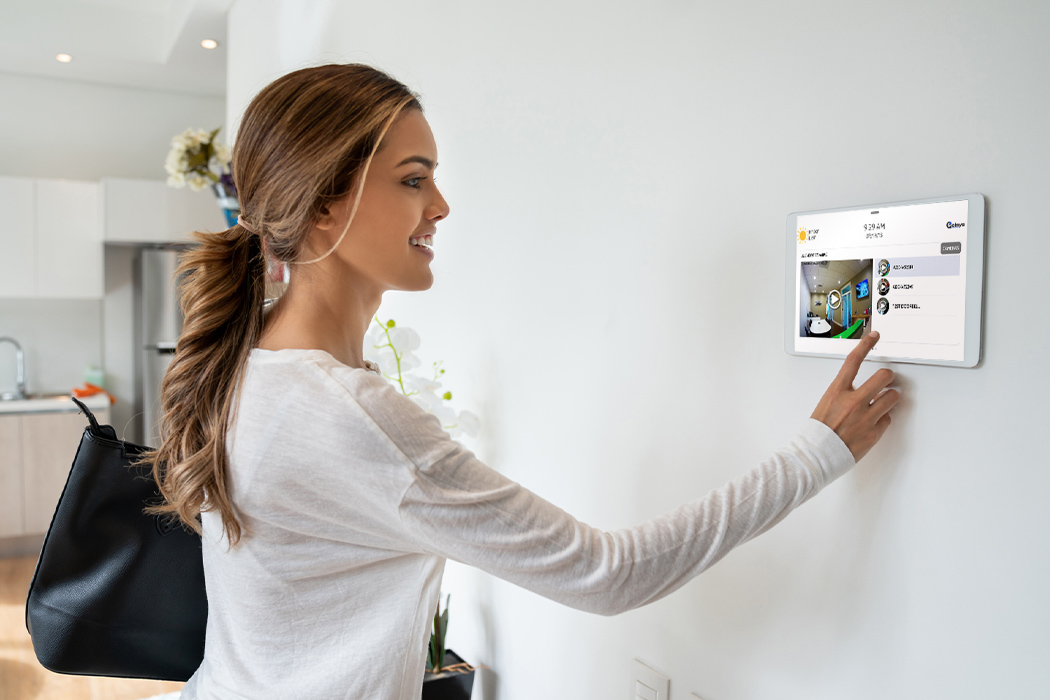
Security is no longer a single object you install and forget about. It is a system made up of moving parts, each one supporting the next. When people talk about safety today, they are usually referring to a part of a high-tech security system, not the entire setup. That distinction matters, because modern security works in layers, not in isolation.

A door lock on its own does very little. A camera without context is just footage. Real protection comes from how these elements connect and respond together.
The Shift From Basic Protection to Intelligent Systems
Not long ago, security systems were simple. An alarm would sound after something went wrong. Cameras recorded events that were reviewed later. Guards reacted after the fact.
That approach no longer fits modern environments. Buildings are larger, operations run around the clock, and risks are more varied. A high-tech security system is built to prevent problems before they escalate, not just document them afterward.
Every part of a high-tech security system is designed to reduce uncertainty. The goal is awareness, not reaction.
Read More Interesting Information about : Nitri Tech Gloves
Surveillance That Serves a Purpose
Cameras are often the first thing people notice, but their role has changed. Surveillance is no longer about watching everything at once. It’s about watching the right things at the right time.
Modern camera systems are placed strategically. They focus on entrances, restricted areas, and movement patterns. Instead of overwhelming operators with constant footage, they support decision-making.
As a part of a high-tech security system, surveillance works best when it confirms what other components detect. On its own, it’s limited. Combined with other inputs, it becomes valuable.
Access Control as a Security Foundation
Who enters a space, when they enter, and where they go matters more than most people realize. That’s why access control is a critical part of a high-tech security system.
Keys can be copied. Cards can be shared. Modern access systems are designed to limit those risks. Permissions are assigned intentionally and reviewed regularly. Entry points respond to authorization rather than assumption.
Access control also creates accountability. When something happens, there is clarity instead of guesswork. That transparency alone changes how spaces are used and protected.
Sensors That Notice What People Miss
Sensors rarely get credit, but they are often the most dependable part of a high-tech security system. They don’t get distracted, tired, or complacent. They simply respond to changes.
Motion sensors detect movement where there shouldn’t be any. Glass sensors react instantly to forced entry. Environmental sensors alert teams to smoke, water, or temperature issues.
Their strength lies in timing. Sensors act early. That early signal allows other system components to respond before damage occurs.
Read More : FineTech Zoom
Why Data Changes the Way Security Works
A high-tech security system generates information constantly. Doors open and close. Movement occurs. Patterns repeat. On its own, this data doesn’t mean much.
Over time, it becomes context.
Security teams learn what normal activity looks like. When something falls outside that pattern, it stands out. This makes responses more accurate and less reactive.
Data turns security from guesswork into informed action. That shift is one of the biggest reasons modern systems are more reliable than older ones.
Centralized Control Keeps Systems Functional
One overlooked part of a high-tech security system is how everything is managed. Without a central point of control, even advanced tools become disconnected.
Centralized management allows operators to see the full picture. They can monitor multiple locations, review logs, and adjust settings without switching platforms.
More importantly, centralized control supports consistency. Rules are applied evenly. Responses are predictable. That stability improves security outcomes over time.
Automation Reduces Human Error
During high-pressure situations, hesitation costs time. Automation helps remove that delay.
When specific conditions are met, the system responds automatically. Doors can lock. Cameras can activate. Alerts can be sent without waiting for manual input.
This does not replace human judgment. It supports it. Automation ensures that basic actions happen immediately, allowing people to focus on decisions that require experience.
Digital Security Is Part of the Same Conversation
Physical systems are now connected systems. That connection introduces new responsibilities.
Protecting the infrastructure itself is an essential part of a high-tech security system. Secure access, controlled permissions, and system monitoring help prevent interference.
Ignoring this layer weakens everything else. A system that can be accessed improperly is no longer secure, regardless of how advanced the hardware is.
Remote Awareness Without Losing Oversight
Remote access has changed how security is managed. Authorized users can check system status, receive alerts, and review incidents without being on-site.
This flexibility is especially valuable for operations that don’t stop at the end of the workday. Awareness is no longer tied to location.
The key is control. Remote access expands visibility without sacrificing authority.
How Individual Components Work Together
No single part of a high-tech security system can handle every situation. The strength comes from coordination.
Sensors detect early signs. Access systems define boundaries. Cameras verify activity. Central platforms connect responses.
When these elements work together, security becomes proactive instead of reactive.
Final Thoughts
A high-tech security system is not defined by one device or feature. It is defined by how its parts interact. Each part of a high-tech security system contributes to a larger goal: awareness, control, and prevention.
Modern security is not about fear. It’s about preparedness. When systems are designed thoughtfully and managed consistently, they create environments where people can work, live, and operate with confidence.