

If you’ve ever worked with your hands for more than a few hours, you already know something simple: bad gloves don’t last. They tear. They slip. They get uncomfortable fast. That’s usually when people start looking for something better, and that’s how many end up using nitri tech gloves.

Not because they’re exciting. Not because they’re new. But because they do the job without causing extra problems.
What Nitri Tech Gloves Actually Are
Nitri tech gloves are made from nitrile, which is a synthetic rubber. Most people don’t care about the science behind it. What they care about is how it feels and how long it lasts.
Compared to latex gloves, nitrile is tougher. Compared to vinyl, it doesn’t feel flimsy. That’s the basic reason these gloves are used in so many places now.
They’re meant for real work, not quick tasks that last five minutes.
Why People Prefer Nitrile Over Other Gloves
Latex used to be everywhere. Then people started realizing it caused skin reactions. Vinyl was cheaper, but it tore easily. Nitrile landed somewhere in the middle, but closer to the “reliable” side.
Nitri tech gloves don’t rip the moment you pull them on. They stretch, but not too much. They protect your hands from oils, chemicals, and dirt without making your fingers feel useless.
That balance matters more than most people realize.
Comfort Isn’t Optional During Long Jobs
A glove can be strong and still be annoying to wear. That’s usually when people stop wearing it halfway through a shift.
Nitri tech gloves are usually designed to fit closer to the hand. That helps with grip and control. You can still feel what you’re holding. Bolts don’t slip as easily. Tools feel more natural.
Sweaty hands still happen. No glove completely avoids that. But thinner nitrile designs help more than thick rubber gloves that trap heat immediately.
Where Nitri Tech Gloves Are Commonly Used
These gloves show up in a lot of places, mostly because they adapt well.
Mechanical and Automotive Work
Grease, oil, fuel, sharp edges. Mechanics deal with all of it. Nitri tech gloves hold up better than basic disposable gloves and still let you move your fingers properly.
You don’t want to fight your gloves while fixing something. These usually stay out of the way.
Read More Interesting Information about Tech TheBoringMagazine
Medical and Lab Environments
Latex allergies pushed many workplaces toward nitrile. Nitri tech gloves reduce that risk and still provide strong protection against contamination.
They’re also less likely to tear during longer procedures, which matters more than people think.
Industrial and Factory Settings
Repetitive work destroys weak gloves quickly. Nitrile lasts longer under constant movement. That means fewer glove changes and fewer interruptions.
Over time, that consistency actually saves money.
Cleaning and Maintenance Jobs
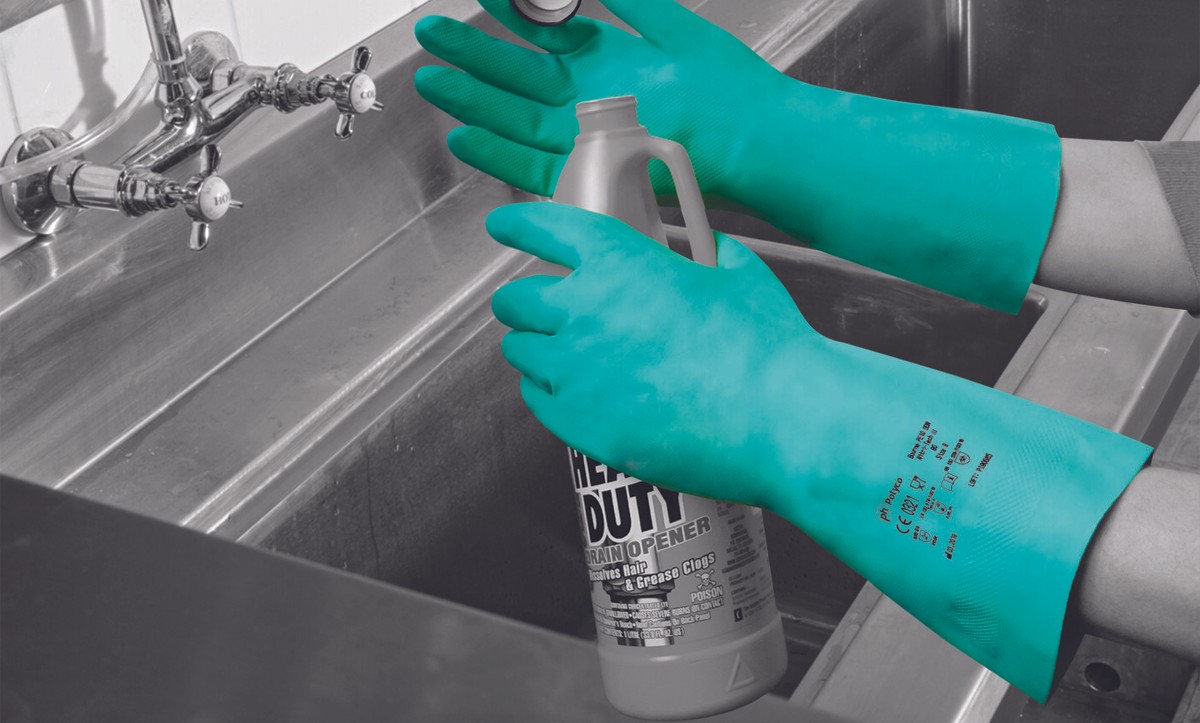
Cleaning chemicals are rough on skin. Nitri tech gloves resist breakdown when exposed to detergents and disinfectants, which makes them practical for daily cleaning work.
Durability Over Cheap Pricing
Cheap gloves look fine until they fail. Then you’re changing them constantly.
Nitri tech gloves usually cost more than the cheapest options, but they also last longer. Fewer tears. Fewer wasted pairs. Less frustration.
For businesses, this isn’t just about cost. It’s about keeping work moving.
Grip and Control Matter More Than Marketing
Some gloves protect well but make your hands clumsy. That defeats the point.
Nitri tech gloves are thin enough to allow precision. You can pick up small parts, handle tools, and still feel what you’re doing. Textured fingertips help when surfaces are wet or oily.
That kind of detail makes a difference during real tasks, not just product demos.
Not All Nitri Tech Gloves Are the Same
Quality varies. Thickness, fit, and strength all matter.
Some jobs need thinner gloves for sensitivity. Others need thicker gloves for protection. Choosing the wrong type leads to complaints, even if the material itself is good.
Reading specifications actually helps here, even if most people ignore them.
About Environmental Concerns
Nitrile gloves aren’t perfect environmentally. That’s true.
However, longer-lasting gloves reduce waste overall. Some newer nitrile products are also designed to break down faster under specific conditions.
It’s not a complete solution, but it’s better than replacing torn gloves every hour.
Final Thoughts
Nitri tech gloves aren’t impressive. They’re practical. And that’s why people keep using them.
They protect hands, last longer than cheaper alternatives, and don’t get in the way of work. In jobs where hands do everything, that reliability matters more than branding or trends.
Good gloves don’t draw attention. They just let you get on with the job.