

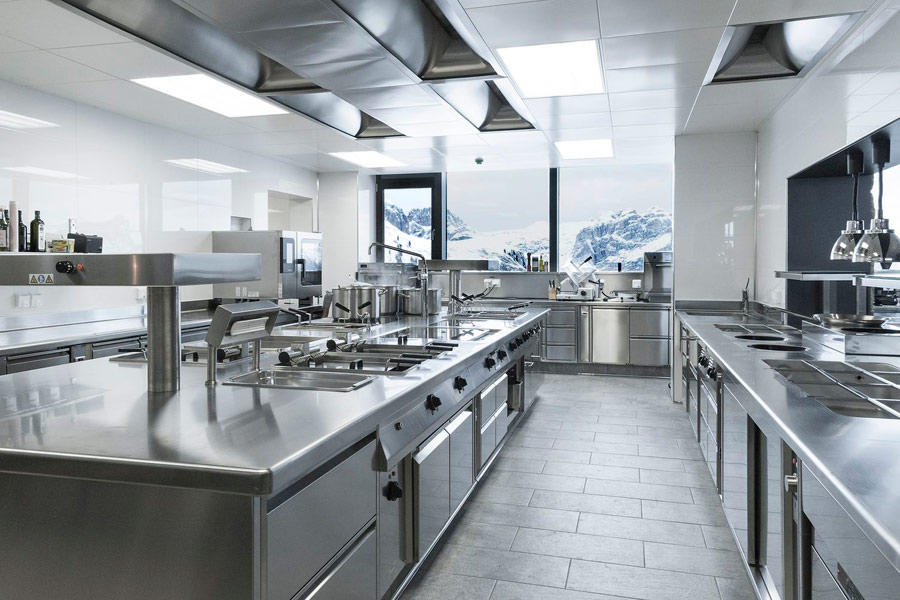
Heated holding cabinets do more than heat food. They improve kitchen efficiency and allow them to handle hectic service periods without jeopardising client satisfaction. By maintaining acceptable temperatures, chefs can focus on cooking rather than timing each dish. In the long run, these cabinets save food waste, help with catering logistics, and ensure food safety. Any kitchen that wishes to give excellent and professional service must employ heated holding cabinets properly.

1. Supporting High-Volume Food Production
Heated holding cabinets are crucial for mass food production. Cooks prepare a lot of food ahead of time in busy commercial kitchens to meet client deadlines. Without proper holding equipment, prepared food can quickly lose temperature and quality, causing delays and consumer dissatisfaction. By maintaining the appropriate heat, heated holding cabinets allow cooks to cook a lot of food and keep it warm until needed. Hospitals and schools need this capability to serve meals on time and consistently. In high-volume kitchens, heated holding cabinets can increase flexibility. Separating cooking from serving can help kitchens manage resources and allocate staff. A catering firm preparing for a wedding banquet may make all protein dishes ahead of time, keep them in cabinets, and serve them one at a time without the kitchen team having to work. The henny penny holding cabinet keeps food hot and fresh for extended service periods.
2. Improving Food Safety and Compliance
Food safety is crucial in commercial kitchens, and heated holding cabinets help ensure compliance. Food is kept at acceptable temperatures, generally over 63°C (145°F), in these cabinets to prevent Salmonella and E. coli growth. Hospitals, schools, and care homes must observe health laws since food contamination can be harmful. Heated holding cabinets help kitchens maintain food safety. Many health inspectors and food safety auditors review kitchens before serving. Properly designed and maintained holding cabinets demonstrate safety and reduce the risk of a penalty. This keeps companies legal and gives them peace of mind that prepared food stays safe for a long period, especially during busy service or catering events when food may be held for hours before being served.
3. Enhancing Kitchen Workflow and Efficiency
In commercial kitchens, where space and time are limited, having an efficient workflow is quite important. Heated holding cabinets let things run more smoothly by freeing up culinary equipment and cutting down on service delays. Chefs may make food ahead of time and save it until they need it, which lets kitchen stations focus on making food all the time. This greater organisation makes the kitchen run more smoothly, with speedier serving times and better crew cooperation.
4. Supporting Catering and Event Services
Catering and event kitchens have unique challenges when serving large groups or events. Heater cabinets can solve these issues. Keep dishes at safe and stable temperatures to transport food from the kitchen to the event without losing quality. For weddings, corporate occasions, and banquets, this keeps a lot of food hot and ready to serve. Kitchen and service staff work better together with these cabinets. You may prepare all the appetisers, main courses, and desserts ahead of time, store them in separate cabinets, and serve them in a set order for a large wedding. This maintains order without overcrowding the kitchen or delaying courses. Flexible and dependable, heated holding cabinets are vital for catering firms that wish to maintain high standards throughout several events and service situations.
5. Reducing Food Waste and Operating Costs
Food waste in commercial kitchens harms the environment and the business. By preserving prepared food at safe temperatures for longer, heated holding cabinets save waste. This makes portion control easy and prevents food from spoiling. These cabinets maintain heat and humidity so prepared food may be served without losing quality. This reduces the need to waste away unsold or leftover meals. Heated holding cabinets save waste and operational costs. Kitchens may prepare meals ahead of time, manage production, and reduce staff cooking at hectic times. People use less energy, waste less food, and can plan their meals better because they don’t have to continuously use the oven or stove. This implies enterprises may generate more money and stay in business.
6. Supporting Menu Versatility and Consistency
A lot of modern commercial kitchens have menus that are very different and need to be timed and coordinated well. Heated holding cabinets make it simpler to serve several items at once, making sure that each one is presented at the right temperature. This lets the menu be flexible while making sure that all orders are the same. These cabinets help kitchens get consistent results all day long, whether they’re housing breakfast items, lunch specialities, or dinner service dishes.
7. Adapting to Different Commercial Kitchen Environments
Heated holding cabinets are quite flexible and may be utilised in many different types of commercial kitchens. These cabinets work for a wide range of businesses, from fast food restaurants and institutional kitchens to fine dining restaurants and food processing facilities. They may be used in both small and big kitchens since their settings can be changed and their designs can be scaled up or down. This gives businesses the flexibility they need as they develop.
Conclusion
Heated holding cabinets are quite useful for commercial kitchens since they make them work much better. They solve many of the problems that come up in professional food service contexts by allowing for large-volume manufacturing, keeping food quality high, making things safer, and making operations more efficient. In today’s kitchens, they are essential since they may cut down on waste, help with catering, and keep the menu consistent. Heated holding cabinets are more than simply a way to keep food warm; they also help commercial food service businesses improve quality, efficiency, and long-term profitability.
Visit The Fintech Zoom for more informative blogs.